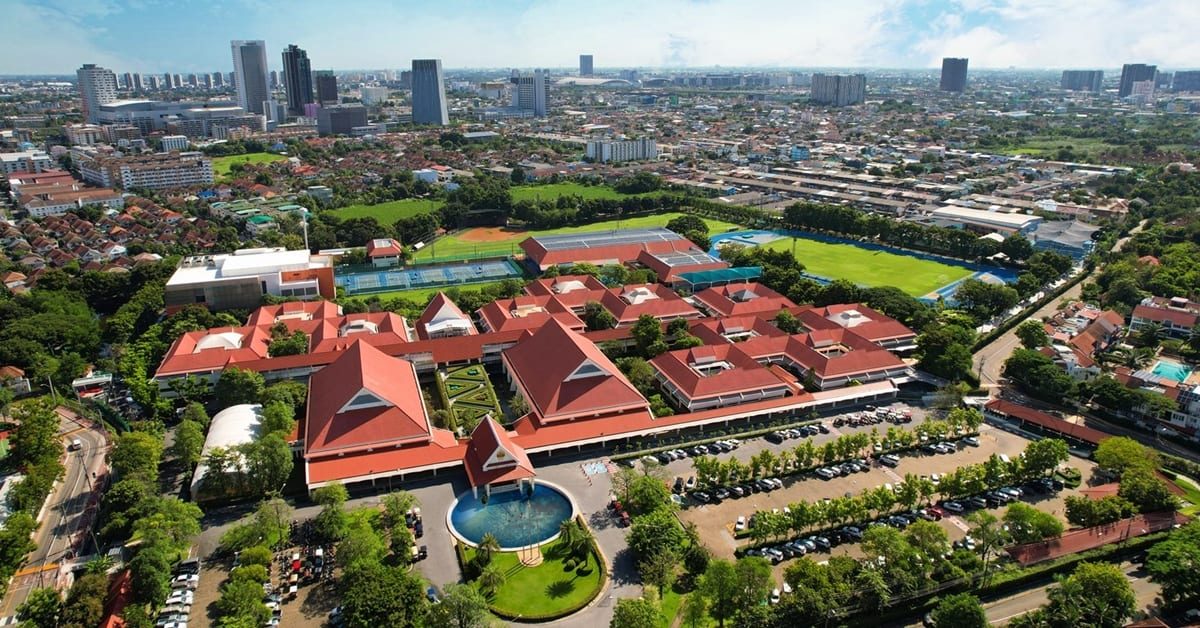
The challenge
Before MARIO, significant numbers of ISB high schoolers didn’t feel a sense of connection at school. In 2014, only 56% reported feeling successful and 59% said teachers cared about their feelings. The advisory program that followed felt overstuffed with rigid SEL lessons.
“To make an advisory work in the high school is not easy because kids at that point are so jaded,” said Jackie Valenzuela, Head of Counseling. “They just didn’t want it, and teachers didn’t necessarily want to be an advisor either.” As Dean of Students Andy Vaughan put it: “It was too cookie cutter, and teachers didn’t like it either.”
What they did
One connected approach, centered on the 1:1 conversation
“It just feels like more of a partnership with the teachers… it’s part of our culture now.”
Jackie Valenzuela, Head of Counseling — International School Bangkok
The results
Across MARIO schools, a NASEN-published study found the MARIO Approach had a Cohen’s d of 0.91, placing it in the top 5% of educational interventions.
“The number of kids that I have seen and intervened with because of a MARIO flag or a teacher’s concern from a one-to-one conversation — absolutely it’s had an impact,” said Valenzuela.
“All students feel like their teachers care for them — something not every school can say,” added Learning Support teacher Rebecca Lebel.